Pul Biber and Beyond: 15 Turkish Pantry Staples Every American Kitchen in Istanbul Needs
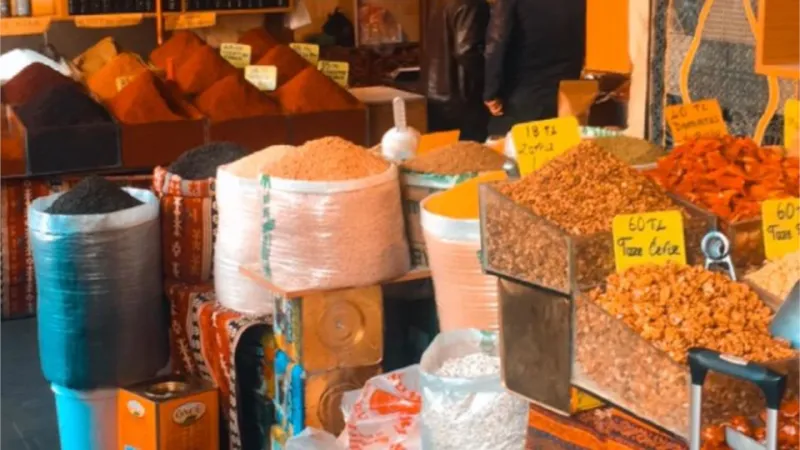
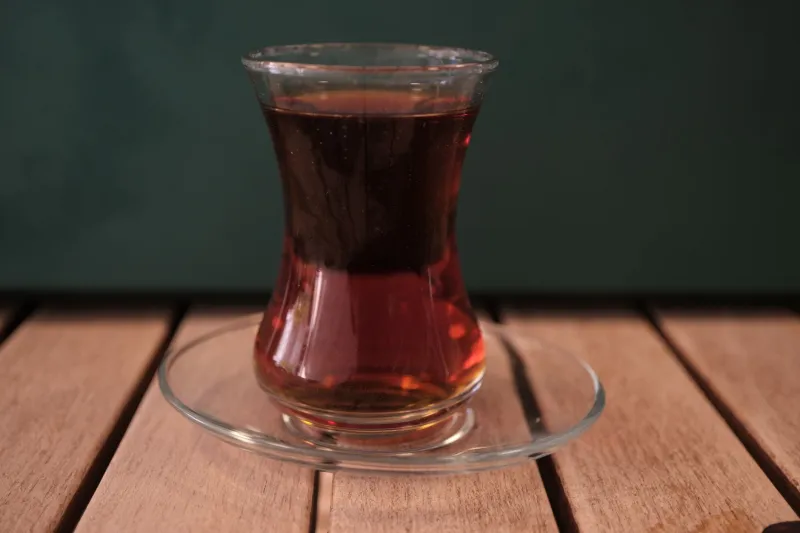
Photo: F.albatran, CC BY-SA 4.0, via Wikimedia Commons
Six months into my Istanbul life, I made a humiliating discovery: I'd been walking past one of the best grocery stores in my neighborhood every single day and only buying bananas and oatmeal. Not because I wasn't curious — because I had no idea what half the jars on those shelves were, and my Turkish topped out at ordering a simit.
If you've moved here from the US, you know the feeling. The supermarket aisles that should feel exciting instead feel like a pop quiz you didn't study for. So consider this your cheat sheet: the fifteen ingredients that will quietly transform your cooking, how to say them without butchering the pronunciation, and where to find them.
The Spice Rack Reboot
Pul biber (pool BEE-ber) — Aleppo-style red pepper flakes that show up on literally everything, from soup to scrambled eggs. They're fruitier and less aggressive than crushed red pepper back home. If a recipe calls for red pepper flakes, use half the amount of pul biber and thank me later.
Sumak (soo-MAHK) — Tangy, lemony dried berries that replace the citrus brightness you'd get from a squeeze of lemon. Essential for çoban salata. No substitute quite works, but lemon zest plus a pinch of salt gets you close.
Nane (nah-NEH) — Dried mint that tastes nothing like the sad mint flakes in American spice jars. It's the backbone of countless yogurt dishes and lamb meatballs.
Kekik (keh-KEEK) — Often labeled 'thyme' but closer to wild oregano. Rub it between your fingers over roasted chicken and you'll understand why every kebab joint smells the way it does.
The Liquid Gold Section
Nar ekşisi (nar ek-suh-SEE) — Pomegranate molasses, the sour-sweet syrup that makes Turkish salads taste like they do in restaurants. Mix with olive oil for the world's easiest salad dressing. Substitute: balsamic glaze cut with lemon juice, in a pinch.
Üzüm pekmezi (oo-zoom pek-meh-ZEE) — Grape molasses, thick like dark honey. Americans describe it as a savory-sweet jam for breakfast; Turks eat it with tahini. Trust them on this.
Tahin (tah-HEEN) — Yes, you know tahini. But the Turkish stuff, made from Turkish sesame, is nuttier and smoother than most jars in the US. It's also absurdly cheap here compared to the $9 Whole Foods version.
The Dairy Aisle Revelation
Yoğurt — Turkish yogurt is the reason the rest of the world's yogurt tastes like a compromise. It's tangy, thick, and the base of an entire cuisine — soups, sauces, dips, even drinks. Ayran (eye-RAHN), the salted yogurt drink, is an acquired taste. Give it three tries before you decide.
Beyaz peynir (bay-AHZ pey-neer) — The feta-adjacent white cheese that belongs at every Turkish breakfast. Tulum peyniri is its funkier, more rustic cousin.
The Pantry Workhorses
Bulgur — The grain behind kısır, Turkey's answer to tabbouleh. Faster to cook than rice and loaded with fiber.
Kuru fasulye (koo-roo fah-sool-YEH) — White beans that form the base of Turkey's unofficial national dish. A bag costs almost nothing and feeds you for a week.
Tarhana (tar-hah-NAH) — Fermented dried yogurt-and-vegetable powder, one of the world's oldest instant soups. Find it at any spice shop; just follow the packet instructions.
Salça (sal-CHA) — Double-concentrated tomato (or pepper) paste. Sauté a spoonful in butter at the start of anything and watch it become a different dish. This is the single highest-impact ingredient on this list.
Fırın suyu — Okay, this one's a cheat: it's just baking soda, but knowing the word means you can actually find it, because it lives in a tiny packet, not a box.
Zeytinyağı (zay-teen-yah-UH) — Turkish olive oil from the Aegean coast rivals anything from Italy at half the price. Buy the natural sızma (extra virgin) kind in the big tins.
Where to Actually Shop
Your neighborhood pazar (weekly street market) is your best friend. Every district has one — Cihangir's on Wednesdays, Beşiktaş's on Saturdays, Kadıköy's famous Tuesday market on the Asian side. Bring your own bags, and don't be shy about asking to taste cheese or olives before buying.
The aktar (herbalist shop) is where you'll find spices, dried herbs, and tarhana in bulk, usually sold by weight and often run by someone delighted to explain everything to a confused foreigner.
The bakkal — your corner convenience store — won't have everything, but it's perfect for last-minute salça emergencies and the shopkeeper will eventually become your favorite person in the neighborhood.
For specialty imports and familiar American brands, chain stores like Migros and Macrocenter have you covered. But honestly? After a few months of cooking with real salça and Aegean olive oil, you might stop missing them altogether.
Start with three items: pul biber, nar ekşisi, and a proper block of beyaz peynir. Cook one Turkish-inspired dinner, and I promise your weekly market run stops feeling like homework and starts feeling like the best part of living here.