What Istanbul Actually Costs: The Budget Reality No Travel Blog Will Tell You
Every article about Istanbul's cost of living sounds roughly the same: cheap rent, cheap food, cheap everything, come immediately. And while the broad strokes aren't wrong, the details matter — especially if you're planning to actually live here rather than just visit. The gap between tourist-facing prices and expat reality is real, and there are costs that nobody puts in the headline.
Let's talk about what your money actually does in Istanbul, neighborhood by neighborhood, and where the surprises tend to hide.
Rent: The Number That Defines Everything Else
Housing is your biggest variable, and Istanbul's rental market has changed significantly over the past few years. Inflation has hit hard, and landlords — particularly those who've figured out that foreigners often have foreign-currency incomes — have adjusted accordingly.
Here's a rough breakdown of what you can realistically expect to pay monthly for a furnished one-bedroom apartment:
- Beşiktaş / Nişantaşı: $800–$1,400 USD equivalent. These are central, walkable, well-connected neighborhoods with strong expat presence. You're paying for convenience and prestige.
- Kadıköy (Asian side): $600–$1,000. Arguably the best value for the quality of life on offer. Vibrant food scene, great public transit connections, younger demographic.
- Beyoğlu / Cihangir: $700–$1,200. Charming, bohemian, and walking distance to everything — but older buildings mean you might be dealing with quirky plumbing or heating.
- Sarıyer / Bebek (Bosphorus villages): $1,200–$2,500+. If you want the water views and village feel, you'll pay for them. Some expats find it worth every lira; others feel isolated from city life.
- Bağcılar / Esenyurt (outer districts): $300–$550. Genuinely affordable, but you're trading commute time and urban amenity for it. Less common among Americans, but not unheard of for those on tight budgets.
One thing to watch: many landlords now prefer USD or Euro-indexed leases, which protects them from currency fluctuation but means your rent doesn't benefit from lira depreciation the way it once might have. Always clarify the currency basis before signing.
The Foreigner Premium: It Exists, Here's Where It Shows Up
Let's be direct about something that often gets glossed over: being visibly foreign in Istanbul can cost you money. Not always, not everywhere, and not maliciously — but it's a real phenomenon worth understanding.
The most common places the foreigner premium appears:
Apartment hunting: Landlords sometimes quote higher prices to expats, particularly in tourist-adjacent neighborhoods. Having a Turkish-speaking friend accompany you to viewings, or using a reputable local real estate agent rather than platforms marketed to foreigners, can make a meaningful difference.
Bazaars and informal markets: The Grand Bazaar and Spice Bazaar are tourist economies. Prices there are not representative of what locals pay. For everyday goods, shop where locals shop — neighborhood markets, supermarket chains like Migros or CarrefourSA, and the weekly pazars (street markets) that rotate through every district.
Taxis: Use BiTaksi or iTaksi apps rather than hailing street cabs. The meter is still the meter, but app-based rides are more accountable and less likely to involve scenic detours.
Where Istanbul Is Genuinely, Surprisingly Cheap
Okay, the good stuff. Because Istanbul really is affordable in ways that feel almost absurd after years of US prices:
Eating out: A proper sit-down lunch at a local lokanta (traditional Turkish diner) — soup, main course, bread, water — runs $3–$6. Even a nice dinner at a mid-range restaurant in Kadıköy rarely exceeds $20–$25 per person with drinks. You'd spend that on a sad airport sandwich in New York.
Public transit: The Istanbulkart system covers metro, tram, bus, and ferry. A single ride costs the equivalent of about $0.35. Most expats spend $15–$25 a month on transit, total.
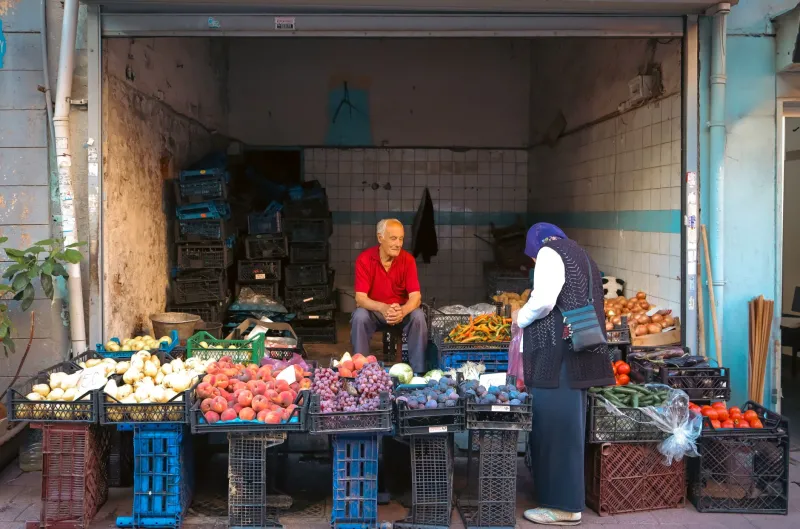
Produce and fresh food: The weekly pazar is where Istanbul really shines. Seasonal vegetables, herbs, eggs, olives, and cheese at prices that'll make you emotional if you've been shopping at Whole Foods recently. Budget $40–$60 a month for a single person who cooks regularly.
Services: Haircuts, dry cleaning, alterations, phone repair — all dramatically cheaper than US equivalents. A men's haircut at a neighborhood berber is $5–$8. A women's blowout at a local salon runs $10–$15.
The Hidden Costs Nobody Mentions
Here's where we earn our keep. These are the expenses that catch people off guard:
Utilities in older buildings: Heating costs in Istanbul's aging housing stock can be brutal in winter, particularly for apartments with natural gas heating that isn't centrally metered. Get clarity on who pays for what before you sign a lease. Some expats are genuinely shocked by their first January gas bill.
Aidat (building maintenance fees): Many apartment buildings charge a monthly aidat for shared maintenance, doorman services, and building upkeep. This can range from $20 to $150+ depending on the building and is sometimes not mentioned upfront.
Seasonal price spikes: Summer in Istanbul drives prices up across the board — particularly for anything near the water. Restaurants in Bebek and Arnavutköy operate at near-tourist prices during peak season. Budget accordingly.
Importing things from the US: Customs duties on imported goods are steep, and the process is opaque. If you're having things shipped from home, research the duty structure first. Many expats get caught by unexpected fees on packages that seemed straightforward.
Language barrier costs: Not speaking Turkish costs money in ways that are hard to quantify but very real. You'll pay more, miss deals, and rely on middlemen more than you need to. Even basic Turkish pays dividends quickly.
A Realistic Monthly Budget
For a single American expat living reasonably well in a mid-tier neighborhood like Kadıköy or Beşiktaş:
- Rent: $700–$900
- Utilities: $80–$150
- Groceries: $150–$250
- Dining out / coffee: $150–$300
- Transit: $20–$30
- Health insurance: $100–$250 (varies enormously by plan)
- Entertainment, activities, misc: $150–$300
Total range: $1,350–$2,180/month
That's real money, but it's also a genuinely comfortable life in one of the world's great cities. The key is understanding where the value actually is — and where the tourist-price trap is waiting for the unwary.